Vienna's Coffeehouse Traditions and Parallels to Loyalty Tiers in Austrian Digital Wagering Systems
Geschrieben von Parker Bauer · 2.11.2026
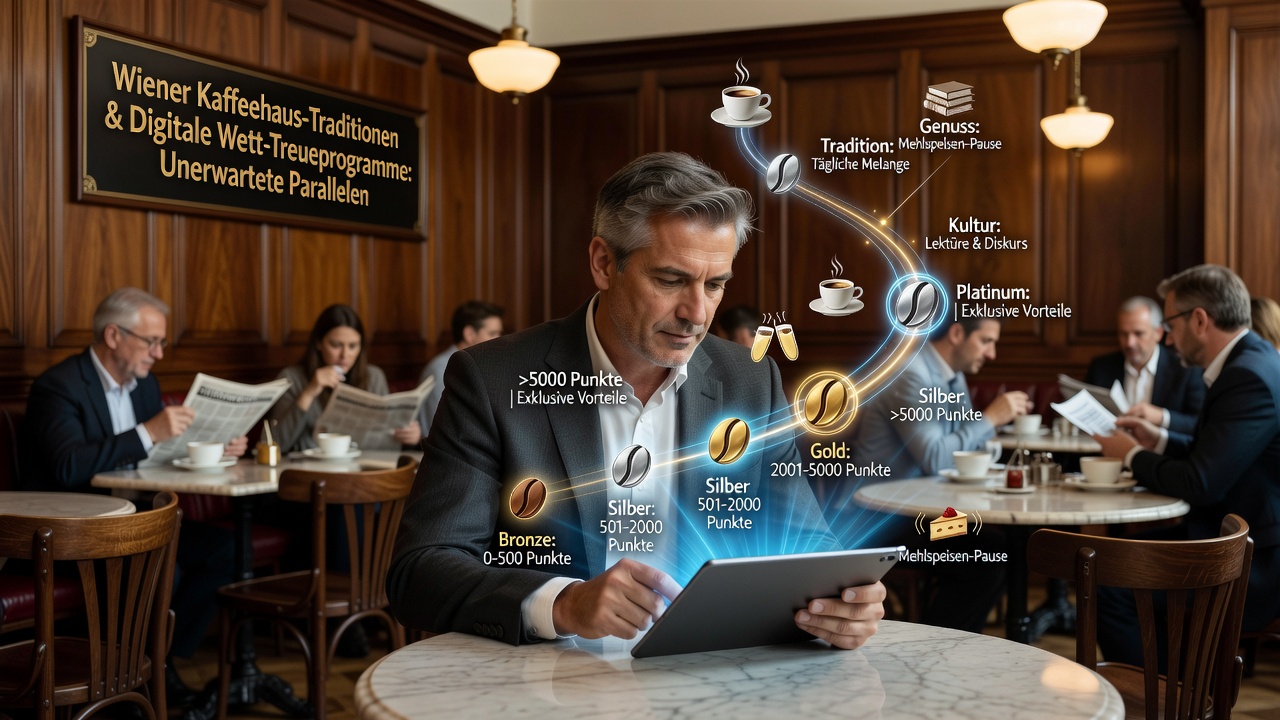
Vienna's Coffeehouse Traditions and Parallels to Loyalty Tiers in Austrian Digital Wagering Systems
Vienna's coffeehouses emerged in the late 17th century after the second Ottoman siege and evolved into central institutions where residents gathered for extended periods to read newspapers, conduct business, and engage in conversation while consuming coffee prepared in distinct styles such as the Melange or Einspänner. These establishments received UNESCO recognition in 2011 as an intangible cultural heritage because of their role in fostering social interaction and intellectual exchange across social classes. Researchers at institutions including the University of Vienna have documented how regulars developed patterns of repeated visits that granted them informal status through staff recognition, preferred seating arrangements, and access to reserved areas during peak hours.
Core Elements of Viennese Coffeehouse Rituals
Patrons historically spent hours at single tables without pressure to order additional items, a practice supported by the provision of free tap water alongside each coffee serving. This structure encouraged accumulation of familiarity through consistent presence rather than high-volume consumption in any single visit. Observers note that staff maintained mental records of individual preferences for specific brews, newspaper selections, and even table locations, creating a tiered recognition system based on frequency and duration of attendance. Data from cultural studies indicate that by the early 20th century these habits had become embedded in daily routines for thousands of residents, with certain coffeehouses functioning as de facto clubs for writers, musicians, and political figures.
Similar patterns appear in contemporary Austrian digital wagering platforms where operators structure loyalty programs around cumulative activity metrics. Licensed providers track player engagement through point systems that advance users across defined tiers, granting escalating benefits such as faster withdrawal processing, exclusive game access, and personalized account management. According to figures from the European Gaming and Betting Association, these programs operate under regulatory oversight that requires transparent accumulation rules and prevents misleading reward claims. Players advance by meeting volume thresholds measured in wagered amounts or session counts over defined periods, mirroring teh way coffeehouse regulars earned status through sustained presence rather than isolated high spending.
Structural Similarities in Accumulation Mechanisms
Both systems rely on longitudinal engagement data instead of one-time transactions. In coffeehouses, a visitor who returns daily for months receives quicker service and occasional complimentary items, while a sporadic customer does not. Digital wagering platforms apply analogous logic through tier progression that resets or adjusts based on rolling activity windows, typically calculated monthly or quarterly. A study published in the Journal of Gambling Studies examined European markets and found that Austrian operators align reward structures with national licensing conditions that emphasize player retention through structured progression rather than immediate payouts. This approach creates predictable pathways where consistent participation yields incremental status elevation, much like the informal hierarchy observed among long-term coffeehouse patrons.
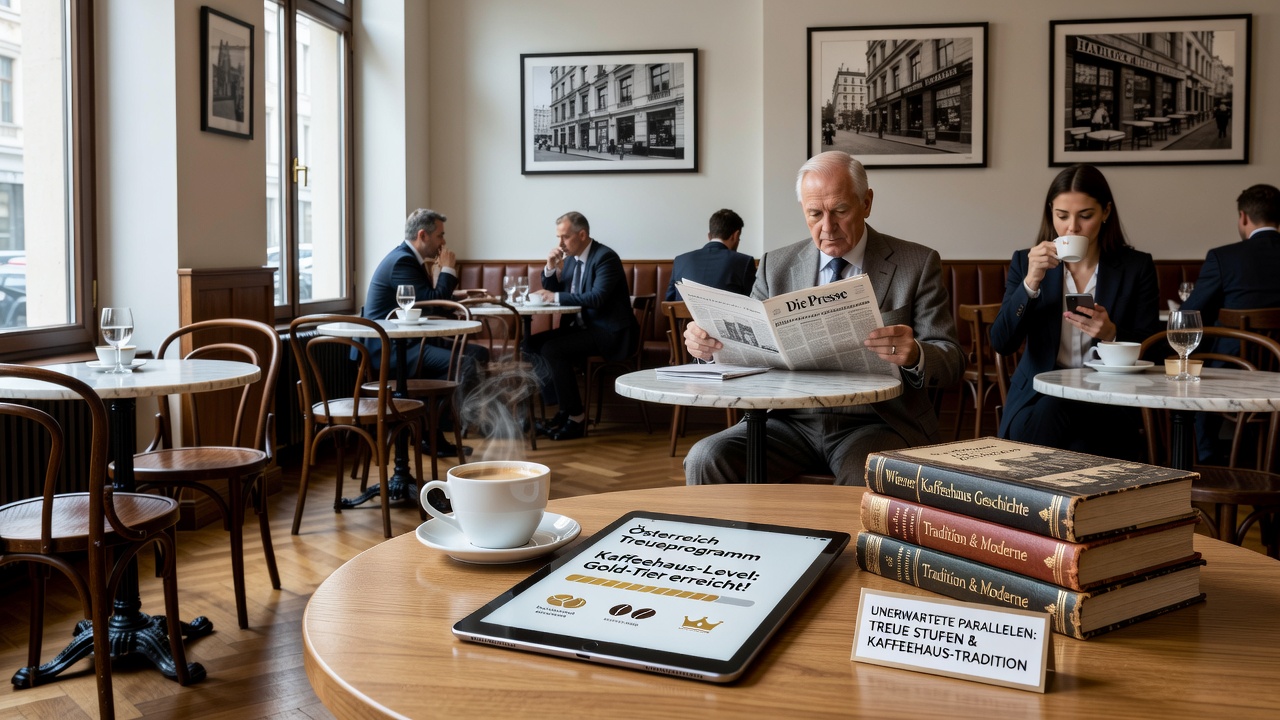
Community aspects further connect the two domains. Traditional coffeehouses served as information hubs where patrons exchanged news and formed networks, functions now replicated in moderated online forums and live dealer environments that accompany many Austrian wagering sites. Participants who reach higher tiers often gain entry to private discussion channels or early access to new features, reproducing the exclusivity once associated with reserved seating or back rooms in historic establishments. Regulatory records show that as of November 2026, Austrian authorities continue to require operators to publish clear tier criteria and maintain audit trails for all loyalty calculations, ensuring the systems remain verifiable in the same way cultural historians have catalogued coffeehouse customs through archival visitor logs and contemporary accounts.
Regulatory and Cultural Context
Austrian law distinguishes between land-based and online gambling, with the latter subject to licensing by federal and state bodies that enforce responsible gaming measures alongside commercial operations. Loyalty tier frameworks must comply with these rules, including limits on bonus structures and mandatory display of terms. Parallel requirements historically shaped coffeehouse operations through municipal regulations on operating hours and public access that preserved their role as open yet stratified social spaces. Researchers comparing the two domains point to shared emphasis on sustained interaction as the basis for advancement, with data indicating that users who maintain steady engagement in either setting receive proportionally greater recognition and benefits.
Conclusion
The documented history of Vienna coffeehouses and the operational design of Austrian digital wagering loyalty programs both illustrate how repeated participation generates structured status within regulated environments. Cultural records and industry compliance data reveal consistent mechanisms for tracking engagement, delivering tiered rewards, and maintaining community elements across centuries and technological shifts. These parallels rest on verifiable patterns of accumulation rather than isolated events, supported by regulatory frameworks that prioritize transparency in both heritage preservation and contemporary gaming oversight.