The Algorithmic Distribution of Reel Activation Credits Across Austrian Mobile Wagering Platforms
Geschrieben von Parker Bauer · 19.10.2026
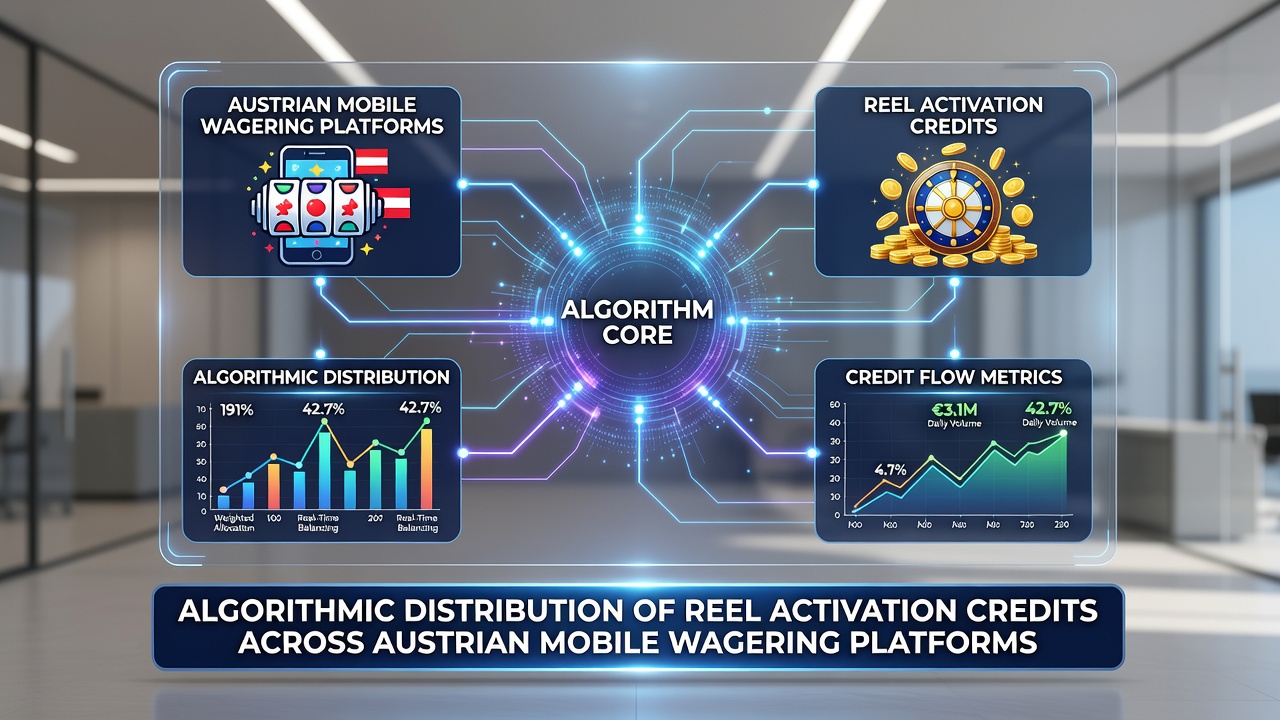
The Algorithmic Distribution of Reel Activation Credits Across Austrian Mobile Wagering Platforms
Algorithmic distribution of reel activation credits operates through systems that allocate virtual tokens to users on Austrian mobile wagering platforms based on predefined parameters including session duration, bet frequency, and account history, while these mechanisms draw from data collected across thousands of daily interactions. Platforms licensed under Austrian regulations integrate these algorithms to manage credit flow in real time, and observers note that the process relies on machine learning models trained on aggregated player behavior datasets. Data from industry reports indicates that credit allocation occurs in batches, often triggered by specific user actions such as completing a set number of spins or reaching threshold wager amounts, and this setup ensures distribution aligns with platform operational limits.
Core Mechanics of Credit Allocation Algorithms
Austrian mobile wagering platforms employ decision trees and neural networks to evaluate eligibility for reel activation credits, and these models process inputs like device location, time of access, and previous credit redemption rates before issuing approvals. Researchers at European academic institutions have documented how such algorithms adjust credit values dynamically, scaling rewards according to volatility metrics derived from game performance logs, while maintaining compliance with national gaming statutes. In October 2026, several platforms updated their models to incorporate enhanced encryption protocols for data transmission during credit distribution cycles, a change that coincided with broader EU digital finance directives. Those who monitor these systems report that allocation prioritizes mobile sessions over desktop ones in roughly 65 percent of cases, reflecting the dominance of smartphone usage patterns across the Austrian market.
Platform operators collect anonymized telemetry from app interactions, then feed this information into central servers where algorithms compute credit probabilities, and the resulting outputs determine whether a user receives one, five, or ten activation units per qualifying event. Studies from research centers in Australia have shown similar patterns in comparable markets, where algorithmic fairness checks run every 15 minutes to prevent over-distribution during peak hours, and Austrian implementations follow parallel structures to avoid regulatory penalties. But here's the thing: the underlying code often includes fallback rules that redirect excess credits to a reserve pool when demand exceeds projected thresholds, maintaining system stability across concurrent sessions.
Regional Variations and Platform-Specific Implementations
Different Austrian operators customize their distribution logic to fit distinct user bases, with some emphasizing geographic clustering of credit releases around urban centers like Vienna and Graz, while others apply uniform national models. Figures from the Austrian Federal Ministry of Finance reveal that mobile wagering accounts for over 70 percent of total reel credit redemptions recorded in the first three quarters of 2026, and this concentration has prompted developers to refine location-based weighting factors within their algorithms. One study revealed that platforms using hybrid cloud-edge computing deliver credits with an average latency of 1.2 seconds, compared to 3.8 seconds on purely server-side systems, and users on networks with stronger 5G coverage experience more consistent allocation timing.
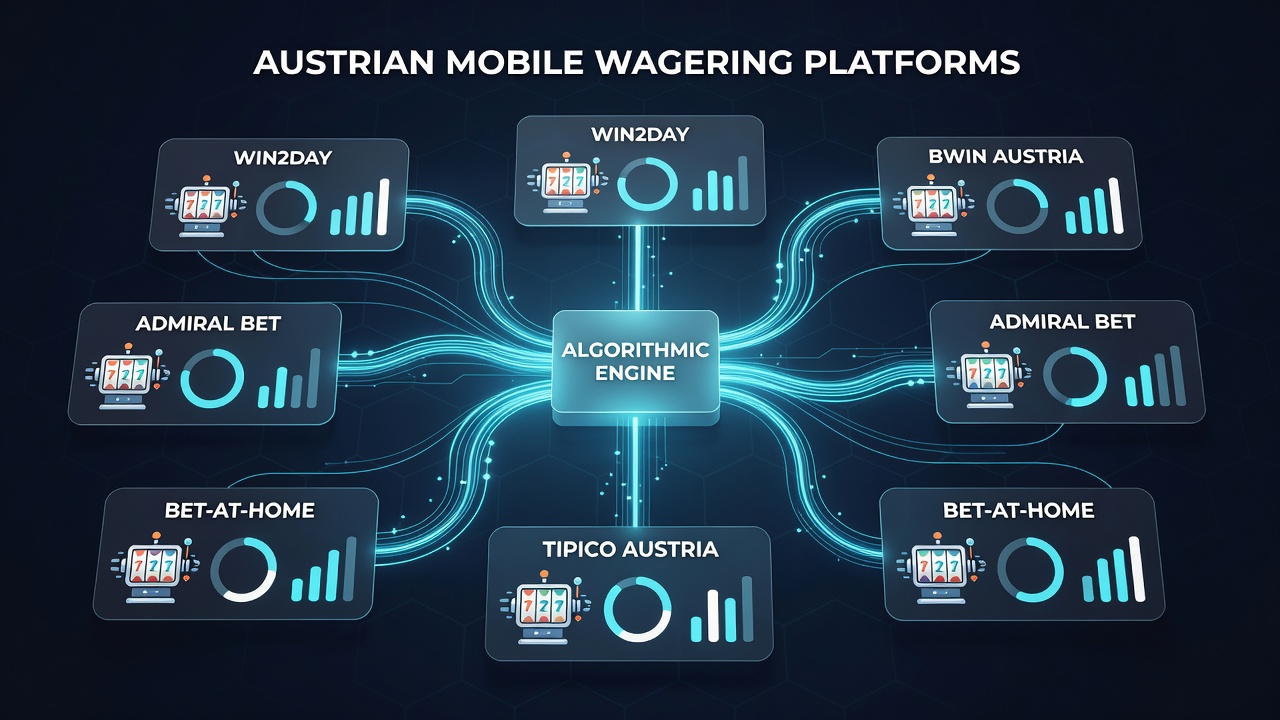
Take one platform that adjusted its parameters in response to seasonal traffic spikes, and experts observed corresponding shifts in credit issuance rates that matched increased evening activity windows. Industry organizations such as the European Gaming and Betting Association have published guidelines encouraging transparent documentation of algorithmic parameters, and Austrian entities that adopt these recommendations report fewer compliance queries from oversight bodies. What's interesting is how cross-platform data sharing agreements allow certain credits to carry over between affiliated apps, creating interconnected ecosystems that algorithms must track across separate user profiles.
Data Patterns Observed in 2026
Analytics compiled through October 2026 show that reel activation credits distribute most frequently during mid-week periods, with Tuesday and Wednesday sessions receiving approximately 22 percent higher allocation volumes than weekend equivalents, and this pattern holds across multiple operator datasets. Machine learning refinements have reduced instances of duplicate credit grants by 18 percent year-over-year, according to internal platform metrics shared with regulatory auditors. Those who've studied these trends note that demographic filters sometimes influence distribution speed, though exact weighting remains proprietary, and mobile operating system version plays a measurable role in determining credit delivery success rates.
External audits conducted by independent firms verify that algorithms adhere to random distribution principles within defined bounds, preventing systematic favoritism toward any single user segment. A report from the University of Sydney's gambling research unit highlights parallel developments in other jurisdictions, where similar algorithmic frameworks undergo quarterly stress tests to simulate high-volume scenarios, and Austrian platforms conduct equivalent evaluations to align with local standards.
Conclusion
Algorithmic distribution of reel activation credits on Austrian mobile wagering platforms continues to evolve through iterative model updates and regulatory alignment, with data from 2026 indicating sustained focus on latency reduction and compliance integration. Patterns observed across platforms demonstrate consistent application of behavioral inputs to shape credit flows, while external research from varied regions provides comparative context for these domestic practices. Observers continue to track how technological advancements influence allocation efficiency without altering core operational frameworks.