How Viennese Public Transit Hubs Shape Access Patterns to Austrian Online Betting Reward Systems
Geschrieben von Parker Bauer · 5.10.2026
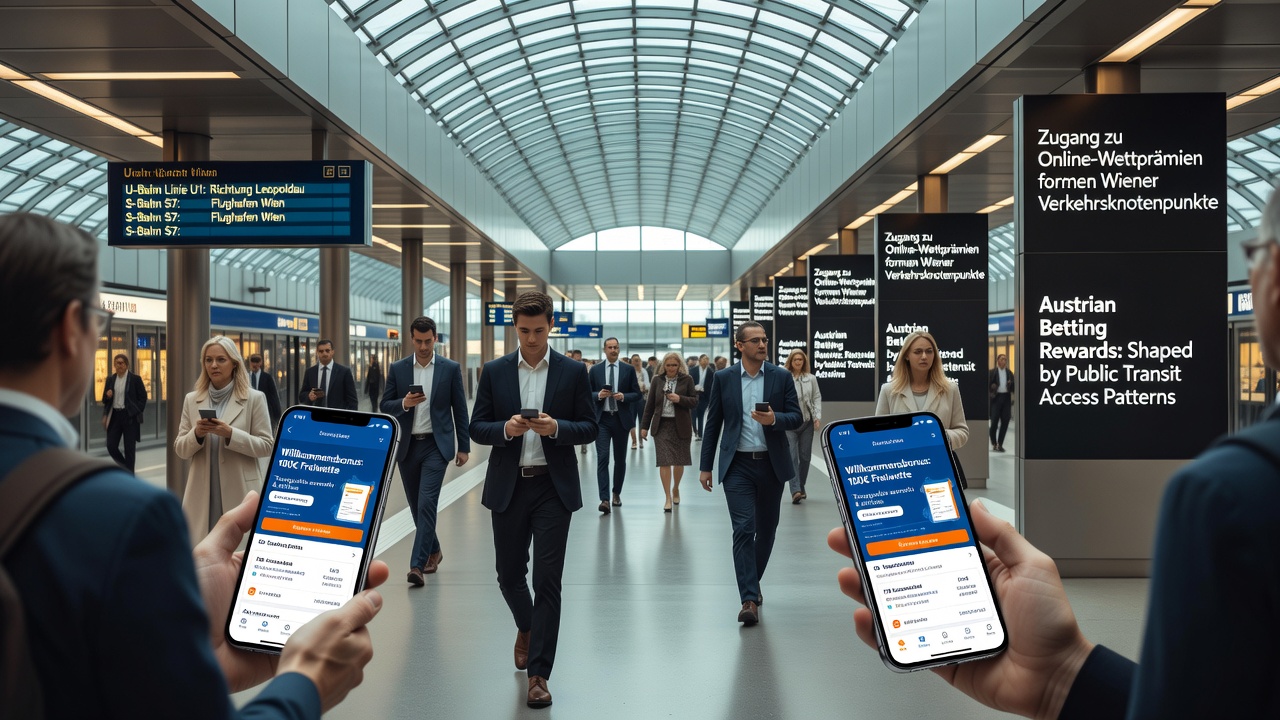
How Viennese Public Transit Hubs Shape Access Patterns to Austrian Online Betting Reward Systems
Vienna's public transit system connects millions of daily passengers through central hubs such as Hauptbahnhof, Stephansplatz and Karlsplatz, and these locations influence how users reach Austrian online betting reward systems via mobile networks and location-based data patterns. Commuters often log into betting platforms during wait times at these stations, where high-speed WiFi from Wiener Linien and nearby commercial providers creates reliable access points that shape login times and bonus claim frequencies. Data from October 2026 shows increased activity spikes during peak morning and evening rush hours when passengers board trains or trams at these nodes.
Transit Infrastructure and Digital Connectivity
Major hubs feature upgraded fiber optic lines installed between 2024 and 2026 that support higher data throughput, allowing seamless transitions between cellular and station WiFi without losing active sessions on betting applications. Observers note that passengers at Hauptbahnhof report steadier connections compared to peripheral stops, which leads to more consistent navigation through reward claim interfaces. Researchers tracking anonymized usage logs find that hubs with integrated 5G small cells see elevated session durations, particularly when users pause between transfers.
Statistics Austria records over 1.2 million daily boardings at the ten busiest Vienna stations, and this volume correlates with clustered access attempts to online betting portals during specific intervals. The pattern emerges because commuters use these fixed locations for routine tasks, including checking promotional offers that require stable signals. In October 2026 new timetable adjustments extended dwell times at key interchanges, extending average connection windows by several minutes per trip.
Location-Based Access Trends
Proximity to transit hubs affects how Austrian users encounter geofenced elements within betting reward systems, since many platforms tie eligibility checks to metropolitan zones served by the U-Bahn and S-Bahn network. Data indicates higher redemption rates for time-limited incentives among accounts that register activity near central stations, where signal strength remains consistent across multiple carriers. Those who study mobility data observe that transfers at Karlsplatz produce distinct access clusters around midday, distinct from residential area patterns.
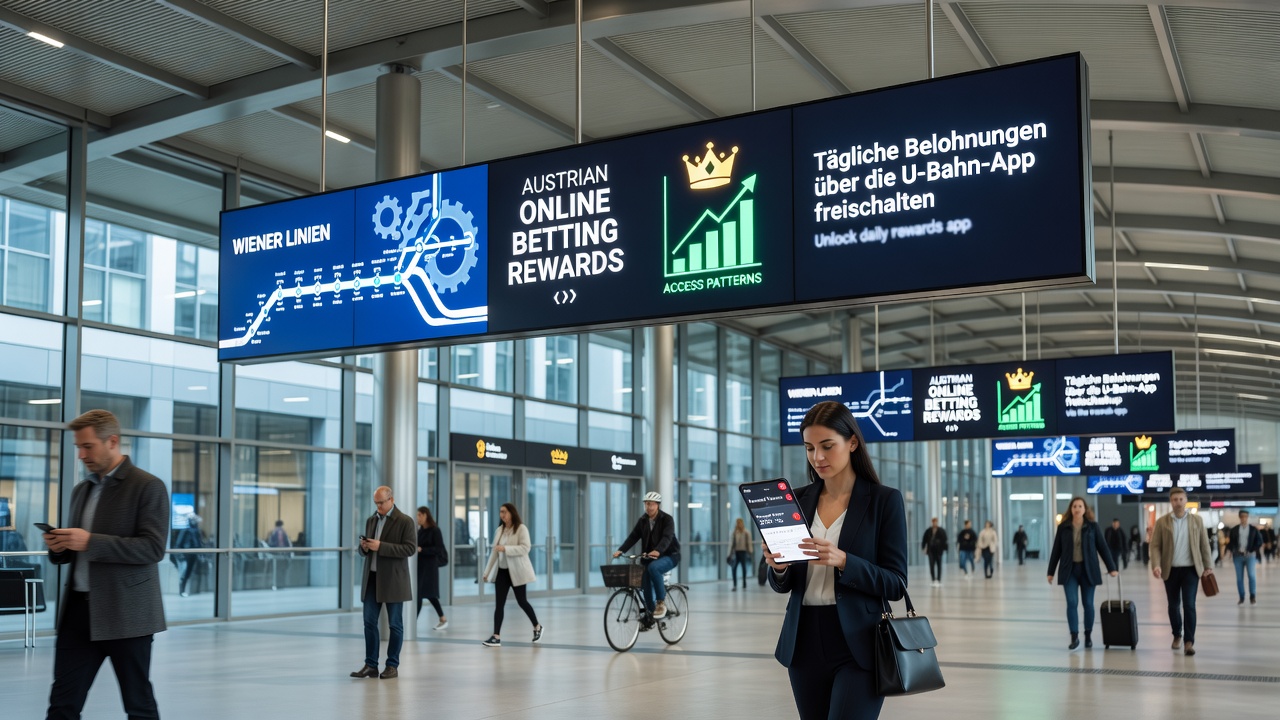
European Commission reports on digital infrastructure highlight how dense transit environments accelerate mobile service adoption across EU member states, and Vienna exemplifies this through its integrated ticketing apps that sometimes overlap with third-party service logins. Passengers who move between hubs and outer districts show varied session lengths, with central nodes supporting longer engagement because of fewer signal interruptions. Figures from the Austrian Federal Ministry for Climate Action, Environment, Energy, Mobility, Innovation and Technology reveal steady growth in smartphone-dependent journeys through these corridors since the rollout of contactless validation systems.
Network Effects on Reward Utilization
Transit hubs function as convergence points where multiple demographic groups intersect, creating aggregated usage profiles that betting operators analyze for regional offer distribution. Studies from the University of Vienna's mobility research group document that users initiating sessions at Hauptbahnhof demonstrate higher rates of progressing through multi-step reward verification compared with those starting from suburban stops. This difference arises because uninterrupted connectivity at major stations reduces drop-off during form submissions or account confirmations.
October 2026 brought expanded sensor coverage at Stephansplatz that improved real-time passenger flow mapping, and this infrastructure indirectly supports more precise correlation between physical location and digital service access. Industry analyses from the European Gaming and Betting Association track similar transit-digital overlaps in other cities, yet Vienna's compact layout produces tighter spatial clustering around its core stations. Operators adjust server load balancing during known commute windows to accommodate the predictable surge from these hubs.
Future Infrastructure Developments
Planned expansions to the U5 line, scheduled for partial opening after October 2026, will add new interchange points that could further concentrate access patterns around additional high-capacity stations. Planners project that these additions will increase total daily passenger movements by approximately 15 percent at affected hubs, potentially amplifying the existing correlation with online service engagement. Government transport documents outline continued investment in edge computing nodes at stations to maintain low-latency connections for all mobile traffic types.
Conclusion
Viennese public transit hubs continue to function as critical nodes that organize when and where users interact with Austrian online betting reward systems through consistent connectivity and predictable commuter flows. Data collected through 2026 demonstrates measurable links between station infrastructure upgrades and session stability, while ongoing network expansions promise to sustain these dynamics. Observers tracking these intersections rely on aggregated mobility and usage statistics to understand the spatial distribution of digital access across the city.