Data Analytics Applications in Tracking Incentive Utilization Patterns Among Austrian Digital Wagering Participants
Geschrieben von Noah Weber · 3.11.2026
Data Analytics Applications in Tracking Incentive Utilization Patterns Among Austrian Digital Wagering Participants
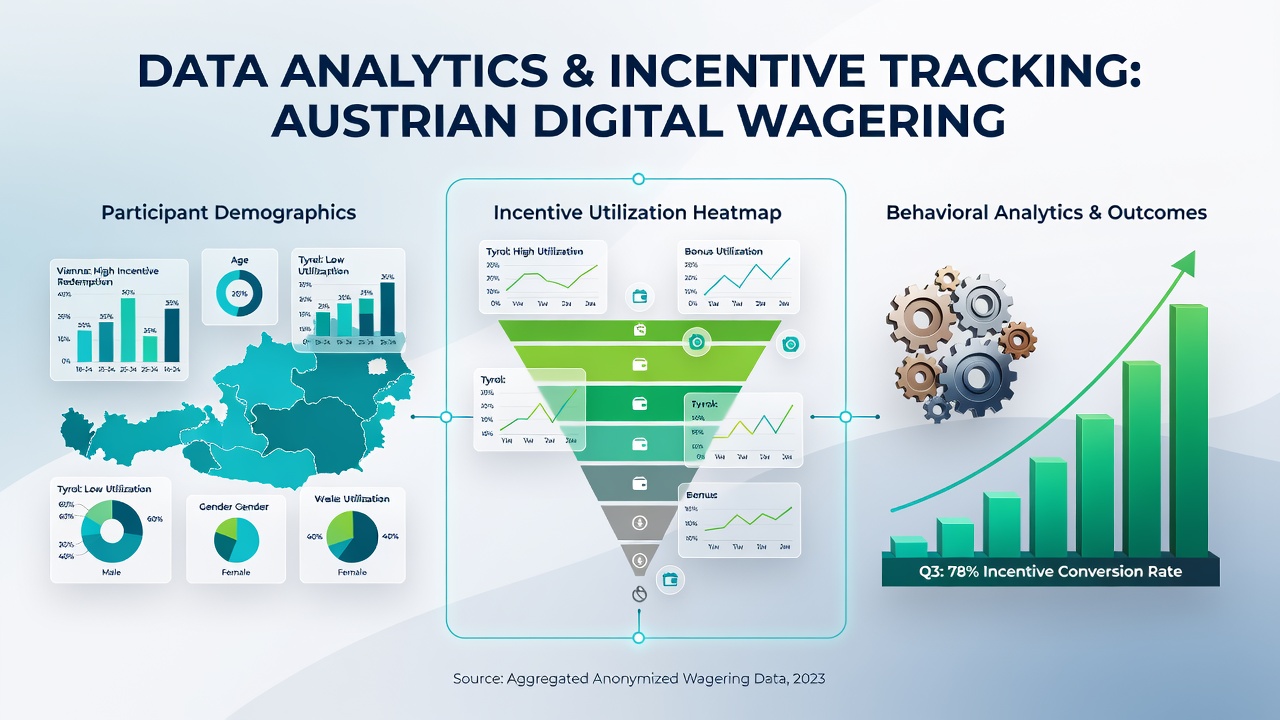
Platforms operating in the Austrian digital wagering sector apply data analytics to monitor how participants interact with various incentives including deposit matches, free spins, and loyalty rewards. These systems aggregate transaction records, session durations, and redemption timestamps into centralized databases where algorithms identify trends across user segments. Austrian operators collect this information under the framework of national gambling regulations that emphasize transparency and responsible practices, which creates structured datasets suitable for longitudinal analysis.
Core Analytical Techniques Employed
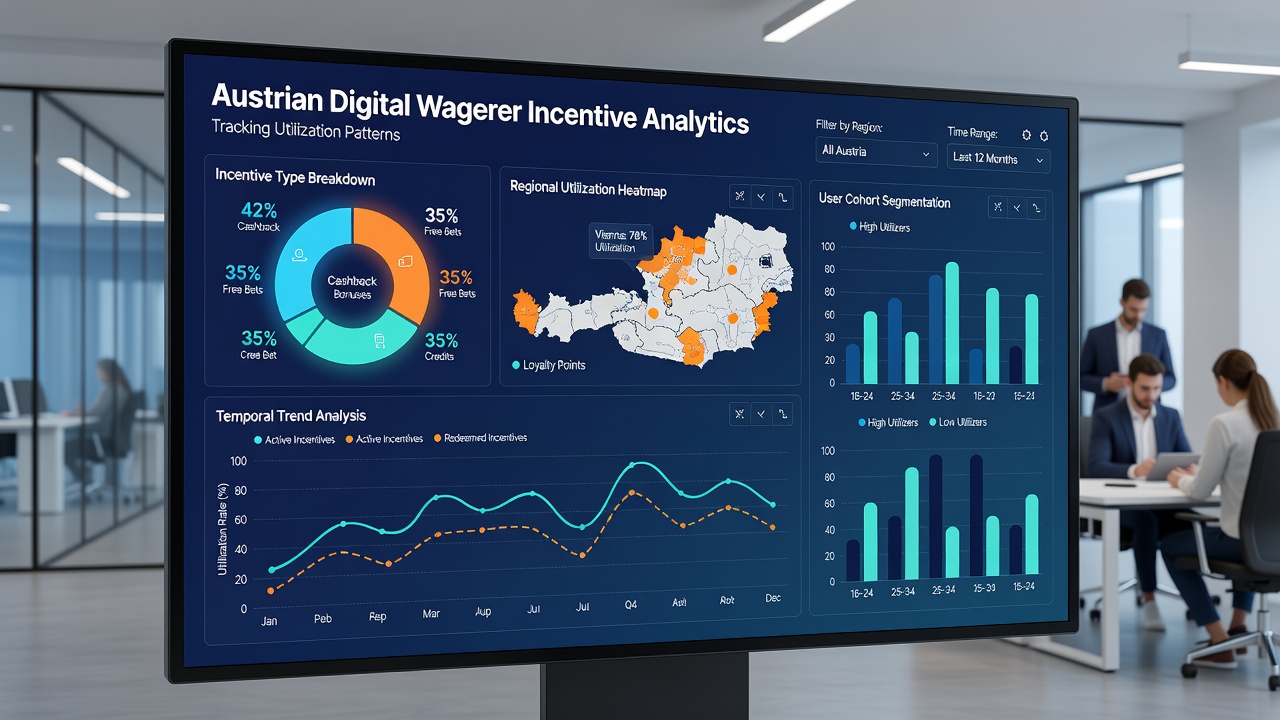
Clustering methods group participants by their incentive engagement levels while regression models predict future redemption likelihood based on past deposit behaviors and game preferences. Time-series analysis tracks how utilization spikes during promotional periods and reveals correlations between specific bonus structures and sustained play activity. Machine learning classifiers flag anomalous patterns such as rapid successive redemptions that may indicate coordinated account use, and these detections feed directly into compliance reporting workflows.
Researchers apply natural language processing to review player feedback submitted through support channels, which uncovers qualitative insights about incentive clarity and perceived value. Visualization tools convert raw metrics into heat maps that highlight regional differences in uptake between Vienna, Graz, and other population centers, allowing operators to calibrate regional campaigns with greater precision.
Pattern Identification and Segmentation
Data pipelines reveal that certain incentive types achieve higher conversion rates when tied to specific game categories, while others perform better among newer accounts versus long-term participants. Segmentation analysis distinguishes between high-volume users who clear wagering requirements quickly and those who engage more sporadically, which informs tailored follow-up communications. Studies indicate that mobile app users demonstrate distinct timing preferences compared with desktop participants, often redeeming incentives during evening hours on weekdays.
One dataset compiled across multiple Austrian platforms showed that loyalty tier progression correlates strongly with consistent small-stake activity rather than infrequent large deposits, and this finding prompted adjustments in reward structures during 2025. Analysts continue to monitor these dynamics as regulatory updates approach in November 2026, when enhanced reporting on incentive outcomes becomes mandatory for license renewals.
Regulatory Compliance and Risk Management
Austrian authorities require operators to maintain auditable records of incentive distribution and participant outcomes, and analytics platforms automate the generation of these reports by cross-referencing transaction logs against license conditions. Predictive models estimate the likelihood of problem gambling indicators by combining incentive overuse signals with deposit velocity and session length metrics, which supports early intervention protocols. External audits frequently reference these analytical outputs when verifying adherence to player protection standards.
According to information from the European Gaming and Betting Association, similar data-driven approaches have been adopted across several EU member states to standardize incentive oversight. In parallel, findings published by Gambling Research Australia demonstrate how longitudinal tracking improves accuracy in identifying at-risk cohorts without restricting legitimate participation.
Technological Infrastructure and Data Sources
Modern implementations rely on cloud-based warehouses that integrate real-time feeds from game servers, payment processors, and customer relationship management systems. SQL queries combined with Python libraries handle initial aggregation while specialized business intelligence suites produce executive dashboards updated hourly. Privacy-preserving techniques such as differential privacy and tokenization protect individual identities during analysis, satisfying Austrian data protection requirements.
Additional inputs include geolocation signals from mobile sessions and device fingerprinting that help distinguish organic usage from automated scripts. These layered datasets enable more granular attribution of incentive performance to specific marketing channels and creative assets.
Emerging Developments Toward 2026
Preparations for November 2026 include integration of blockchain-derived transaction ledgers that provide immutable records of incentive flows, which simplifies reconciliation across multiple operators. Pilot programs test federated learning setups that allow collaborative model training without sharing raw participant data between competing platforms. Observers note that these advances should refine the granularity of utilization forecasts and support more responsive incentive design cycles.
Conclusion
Data analytics provides Austrian digital wagering operators with structured methods for observing and responding to incentive utilization patterns across diverse participant groups. Continued refinement of these tools aligns with evolving regulatory expectations and technological capabilities while maintaining focus on verifiable performance metrics and compliance documentation.